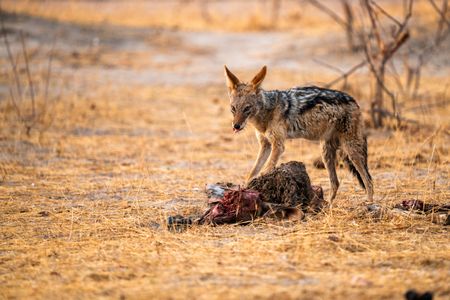
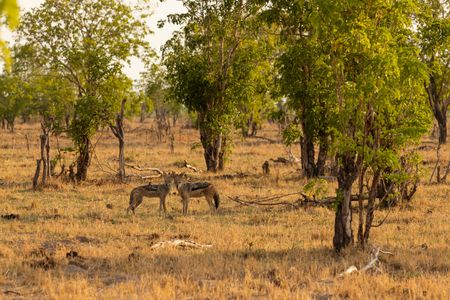
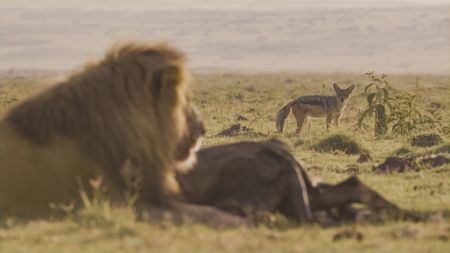
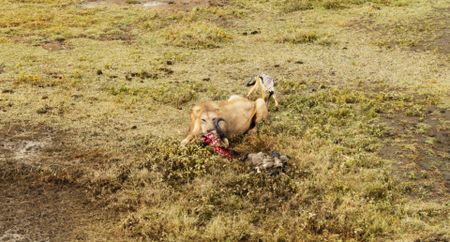
Black-backed jackals often scavenge to source meat. (National Geographic/Troy Reid)Episode: #104 "The Unusual Suspects"Air Date 06/22/2025104_TheUnusualSuspects_Underdogs_27.jpg
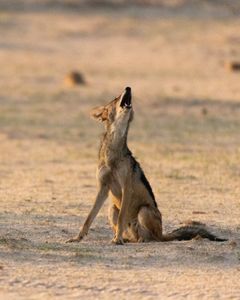
Black-backed jackals use contact calls to locate each other across the vast landscape of the African plains. (National Geographic/Kimberley Bartholomew)Episode: #104 "The Unusual Suspects"Air Date 06/22/2025104_TheUnusualSuspects_Underdogs_26.jpg
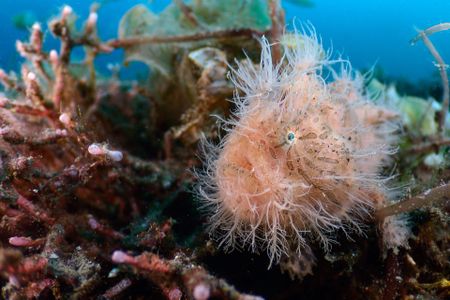
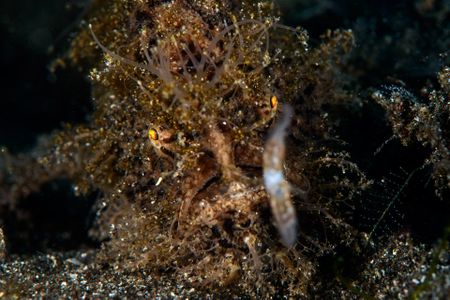
The hairy frogfish has specially adapted dermal spinules and fins that allow it to be camouflaged, but only if it matches the color of its surroundings. (National Geographic/Jason Isley)Episode: #104 "The Unusual Suspects"Air Date 06/22/2025104_TheUnusualSuspects_Underdogs_18.jpg
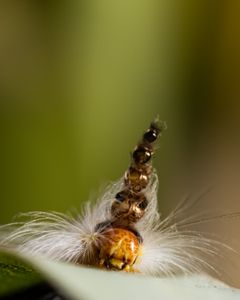
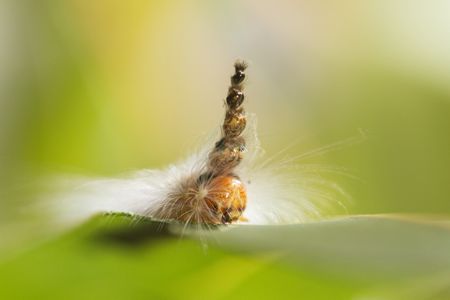
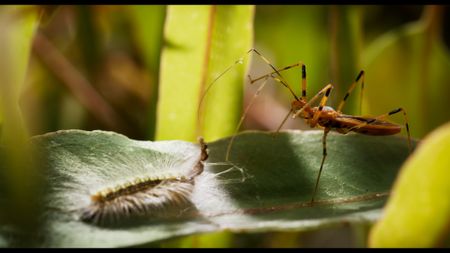
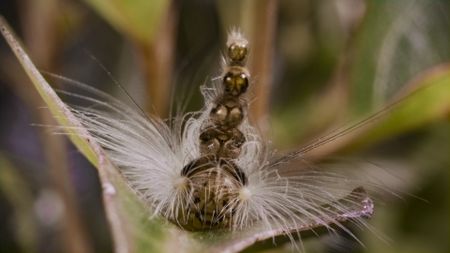
As it grows and molts, the mad hatterpillar stacks old head casings on top of its head. Scientists think it is used as a decoy against would-be predators and parasites, and when needed, it can also be used as a weapon. (National Geographic/Katherine Hannaford)Episode: #104 "The Unusual Suspects"Air Date 06/22/2025104_TheUnusualSuspects_Underdogs_24.jpg
Black-backed jackals live in highly-bonded breeding pairs. (National Geographic/Kimberley Bartholomew)Episode: #104 "The Unusual Suspects"Air Date 06/22/2025104_TheUnusualSuspects_Underdogs_25.jpg
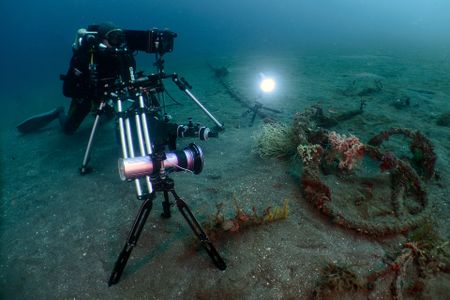
Cinematographer Roger Munns sets up filming equipment on the sea floor to film a hairy frogfish lying in wait. (National Geographic/Jason Isley)Episode: #104 "The Unusual Suspects"Air Date 06/22/2025104_TheUnusualSuspects_Underdogs_19.jpg
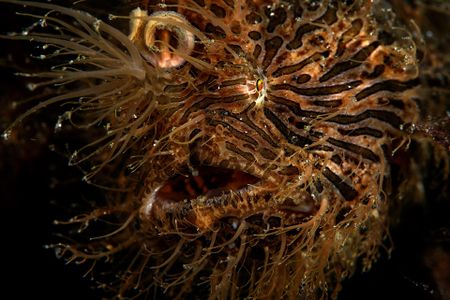
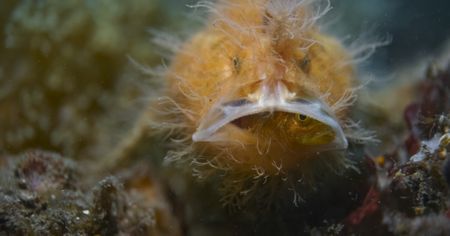
The hairy frogfish is an ambush predator, lurking in the darkness and waiting for prey to approach close enough to strike. (National Geographic/Jason Isley)Episode: #104 "The Unusual Suspects"Air Date 06/22/2025104_TheUnusualSuspects_Underdogs_21.jpg
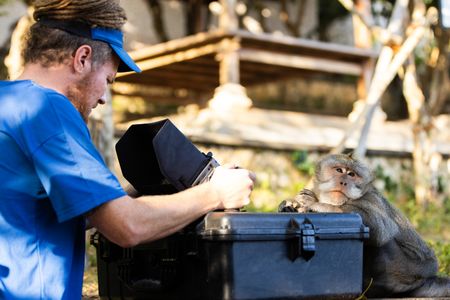
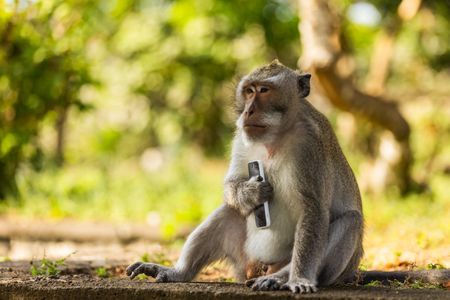
Cinematographer Tom Beldam enjoys the company of a long-tailed macaque as he films, until his own smartphone is stolen minutes later. (National Geographic/Laura Pennafort)Episode: #104 "The Unusual Suspects"Air Date 06/22/2025104_TheUnusualSuspects_Underdogs_09.jpg
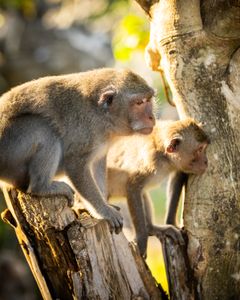
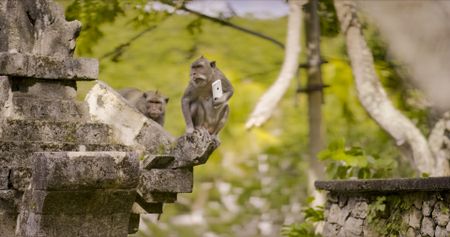
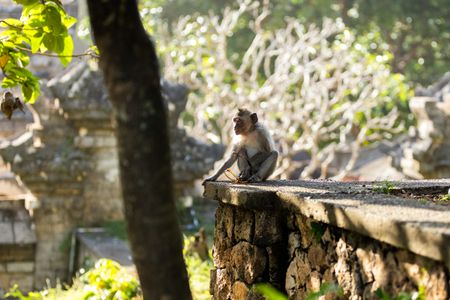
Two long-tailed macaques look for their next tourist target to steal from in Uluwatu Temple, Bali. (National Geographic/Laura Pennafort)Episode: #104 "The Unusual Suspects"Air Date 06/22/2025104_TheUnusualSuspects_Underdogs_08.jpg
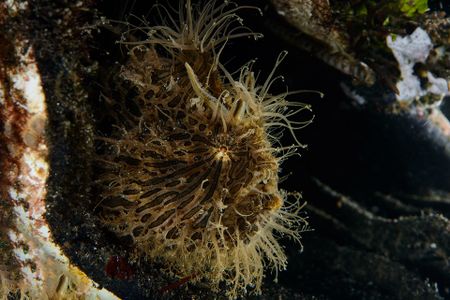
The hairy frogfish has specially adapted dermal spinules and fins that allow it to be camouflaged among undersea vegetation. Its first dorsal spine is adapted into a worm-like lure which it unfurls to attract prey. (National Geographic/Jason Isley)Episode: #104 "The Unusual Suspects"Air Date 06/22/2025104_TheUnusualSuspects_Underdogs_20.jpg
The hairy frogfish has specially adapted dermal spinules and fins that allow it to be camouflaged among undersea vegetation. (National Geographic/Jason Isley)Episode: #104 "The Unusual Suspects"Air Date 06/22/2025104_TheUnusualSuspects_Underdogs_22.jpg
As it grows and molts, the mad hatterpillar stacks old head casings on top of its head. Scientists think it is used as a decoy against would-be predators and parasites, and when needed, it can also be used as a weapon. (National Geographic/Katherine Hannaford)Episode: #104 "The Unusual Suspects"Air Date 06/22/2025104_TheUnusualSuspects_Underdogs_23.jpg
An adult macaque holds the phone he just stole from an unsuspecting tourist. (National Geographic)Episode: #104 "The Unusual Suspects"Air Date 06/22/2025104_TheUnusualSuspects_Underdogs_UHD_19.jpg
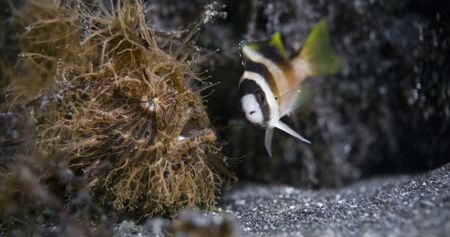
A small fish swims dangerously close to a well camouflaged frogfish. (National Geographic)Episode: #104 "The Unusual Suspects"Air Date 06/22/2025104_TheUnusualSuspects_Underdogs_UHD_18.jpg
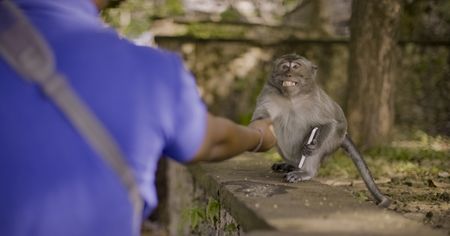
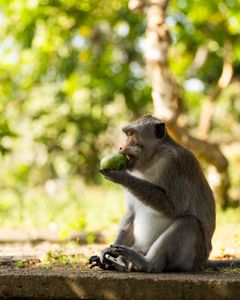
After stealing a person's phone, the macaque agrees to trade it in for a piece of food. (National Geographic)Episode: #104 "The Unusual Suspects"Air Date 06/22/2025104_TheUnusualSuspects_Underdogs_UHD_20.jpg
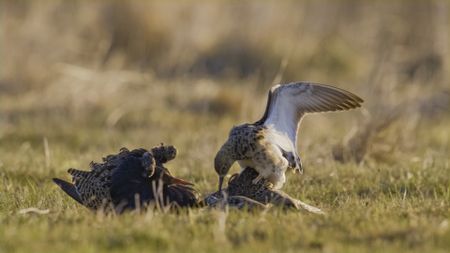
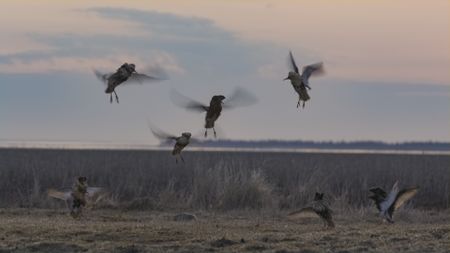
After tricking the other males into thinking he is a female the male ruff manages to mate. (National Geographic)Episode: #104 "The Unusual Suspects"Air Date 06/22/2025104_TheUnusualSuspects_Underdogs_UHD_08.jpg
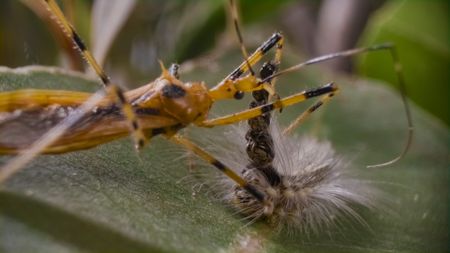
The assassin bug is poised to strike the mad hatterpillar, but it must first decide which part of its body to target with its deadly proboscis. (National Geographic)Episode: #104 "The Unusual Suspects"Air Date 06/22/2025104_TheUnusualSuspects_Underdogs_UHD_09.jpg
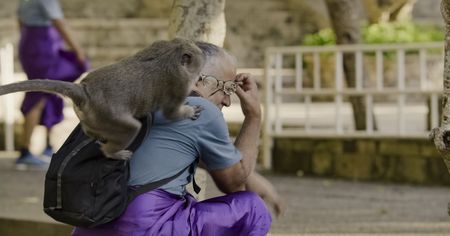
A macaque jumps on a man's back in an attempt to steal his glasses. (National Geographic)Episode: #104 "The Unusual Suspects"Air Date 06/22/2025104_TheUnusualSuspects_Underdogs_UHD_21.jpg
Jackals are usually confined to hunting small prey and scavenging for meat. But sometimes they work together to steal food from larger predators. (National Geographic)Episode: #104 "The Unusual Suspects"Air Date 06/22/2025104_TheUnusualSuspects_Underdogs_UHD_13.jpg
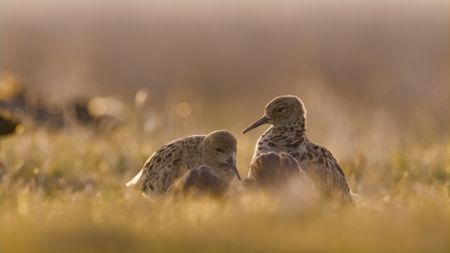
The faeder male ruff uses his female-mimic plumage to infiltrate the mating lek without being attacked by other males, where he can sneak in and mate with the females under the other males' noses. (National Geographic)Episode: #104 "The Unusual Suspects"Air Date 06/22/2025104_TheUnusualSuspects_Underdogs_UHD_07.jpg
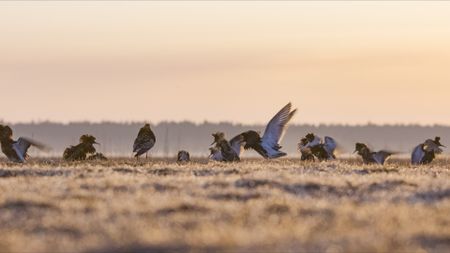
Male ruffs fight with each other for the right to mate with the females. (National Geographic)Episode: #104 "The Unusual Suspects"Air Date 06/22/2025104_TheUnusualSuspects_Underdogs_UHD_06.jpg
A black-backed jackal bites the tail of a young male lion in order to distract him off of his kill. (National Geographic)Episode: #104 "The Unusual Suspects"Air Date 06/22/2025104_TheUnusualSuspects_Underdogs_UHD_12.jpg
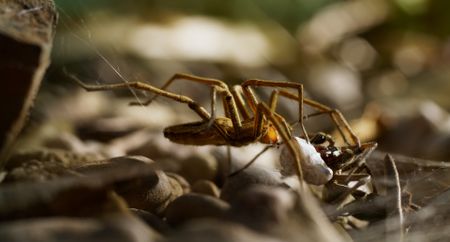
The male nursery web spider presents his nuptial gift to the female. (National Geographic)Episode: #104 "The Unusual Suspects"Air Date 06/22/2025104_TheUnusualSuspects_Underdogs_UHD_04.jpg
The mad hatterpillar uses its headstack as a weapon to try and throw the assassin bug off. (National Geographic)Episode: #104 "The Unusual Suspects"Air Date 06/22/2025104_TheUnusualSuspects_Underdogs_UHD_10.jpg
An assassin bug is confused by the mad hatterpillar's head stack, and spends time targeting the decoy head casings instead of the caterpillar's real body. (National Geographic)Episode: #104 "The Unusual Suspects"Air Date 06/22/2025104_TheUnusualSuspects_Underdogs_UHD_11.jpg
In the mating lek, male ruffs are often so pre-occupied with each other that many of them will not get the chance to mate. (National Geographic)Episode: #104 "The Unusual Suspects"Air Date 06/22/2025104_TheUnusualSuspects_Underdogs_UHD_05.jpg
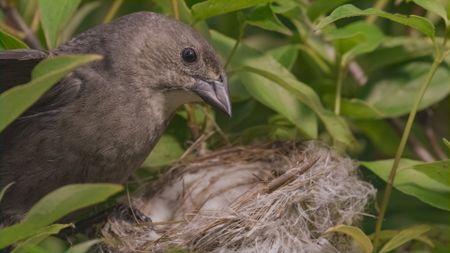
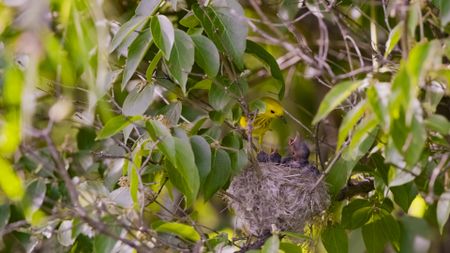
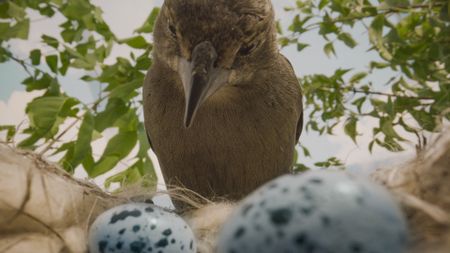
A female cowbird arrives at a yellow warbler nest. Using the best spatial memory of any songbird, female cowbirds keep track of a network of host nests, monitoring their quality and development over time. (National Geographic)Episode: #104 "The Unusual Suspects"Air Date 06/22/2025104_TheUnusualSuspects_Underdogs_UHD_01.jpg
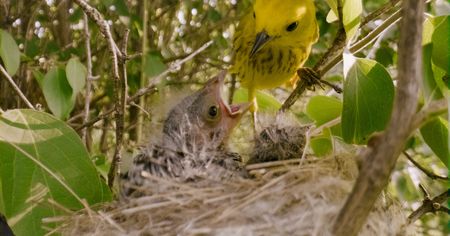
The intruding cow bird chick is much bigger than the warbler chicks and often outcompetes them for food. (National Geographic)Episode: #104 "The Unusual Suspects"Air Date 06/22/2025104_TheUnusualSuspects_Underdogs_UHD_15.jpg
A warbler arrives back at its nest and is greeted by it's hungry chicks. (National Geographic)Episode: #104 "The Unusual Suspects"Air Date 06/22/2025104_TheUnusualSuspects_Underdogs_UHD_14.jpg
As an ambush predator, the frogfish uses the element of surprise to catch its latest meal.(National Geographic)Episode: #104 "The Unusual Suspects"Air Date 06/22/2025104_TheUnusualSuspects_Underdogs_UHD_16.jpg
A female cowbird inspects a potential warbler nest to lay her egg in. (National Geographic)Episode: #104 "The Unusual Suspects"Air Date 06/22/2025104_TheUnusualSuspects_Underdogs_UHD_02.jpg
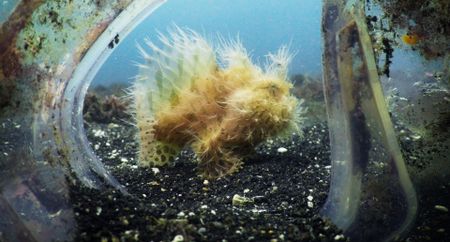
After his cover has been blown, the frogfish needs to walk across the sea floor to find a new hiding place to ambush his prey. (National Geographic)Episode: #104 "The Unusual Suspects"Air Date 06/22/2025104_TheUnusualSuspects_Underdogs_UHD_17.jpg
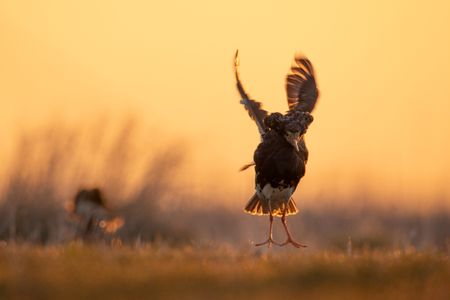
An independent male ruff flutters in the air, attempting to attract passing females to the lek. (National Geographic/Eleanor Paish)Episode: #104 "The Unusual Suspects"Air Date 06/22/2025104_TheUnusualSuspects_Underdogs_06.jpg
Experienced long-tailed macaques have learned to snatch smartphones from tourists as they are likely to be offered a high-value barter in return, such as a protein rich egg. (National Geographic/Laura Pennafort)Episode: #104 "The Unusual Suspects"Air Date 06/22/2025104_TheUnusualSuspects_Underdogs_12.jpg
Experienced long-tailed macaques have learned to snatch smartphones from tourists as they are likely to be offered a high-value barter in return, such as a protein rich egg. The macaque may refuse initial low-ball offers of fruit, holding onto the phone until a satisfactory barter is offered. (National Geographic/Laura Pennafort)Episode: #104 "The Unusual Suspects"Air Date 06/22/2025104_TheUnusualSuspects_Underdogs_13.jpg
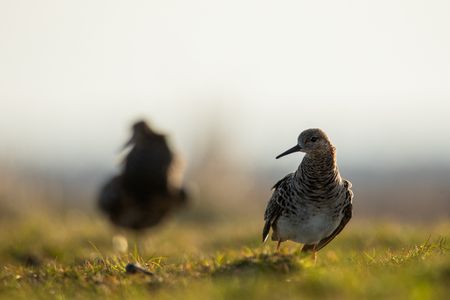
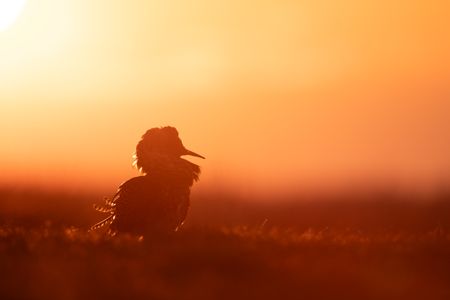
A faeder male ruffs, disguised in female plumage, waits on the lek for the opportunity to mate. (National Geographic/Eleanor Paish)Episode: #104 "The Unusual Suspects"Air Date 06/22/2025104_TheUnusualSuspects_Underdogs_07.jpg
Long-tailed macaques live among humans in the grounds of Uluwatu Temple in Bali. They sometimes snatch glasses from tourists in order to barter them back for food. (National Geographic/Laura Pennafort)Episode: #104 "The Unusual Suspects"Air Date 06/22/2025104_TheUnusualSuspects_Underdogs_11.jpg
A male independent ruff in breeding plumage waits patiently at sunrise for the arrival of females on the lek. (National Geographic/Eleanor Paish)Episode: #104 "The Unusual Suspects"Air Date 06/22/2025104_TheUnusualSuspects_Underdogs_05.jpg
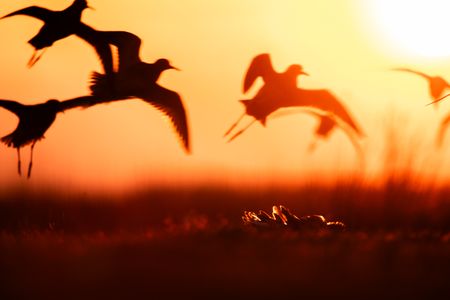
A male ruff crouches as a flock of females arrive on the lek at sunrise. (National Geographic/Eleanor Paish)Episode: #104 "The Unusual Suspects"Air Date 06/22/2025104_TheUnusualSuspects_Underdogs_04.jpg
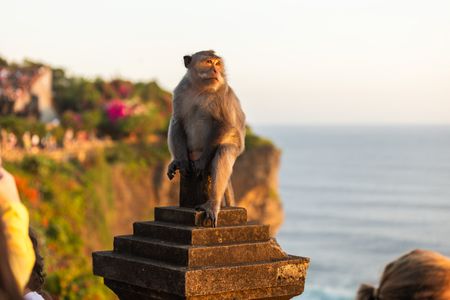
As tourists watch the sunset, macaques position themselves high on the sea wall so they can carefully scan the crowds, looking for objects to snatch. (National Geographic/Laura Pennafort)Episode: #104 "The Unusual Suspects"Air Date 06/22/2025104_TheUnusualSuspects_Underdogs_14.jpg